
Movement is the Core Rhythm of a Balanced Body.
Physical activity is more than just a routine; it is the fundamental way we interact with our environment. At Wellbeingcorepathsq, we focus on sustainable fitness habits that integrate naturally into your UK lifestyle, emphasizing consistency over intensity.

“Sustainable progress begins with showing up for yourself daily.”
Aerobic Exercise: Sustaining Vitality
Aerobic movement, often referred to as cardio, involves rhythmic activities that increase your heart rate for extended periods. This form of activity is essential for efficient oxygen transport throughout the body. Whether it is a brisk walk through the South Downs or a cycling session along the coast, aerobic exercise supports long-term stamina.
- Enhances lung capacity and circulation.
- Improves overall metabolic efficiency.
- Supports mood maintenance through natural endorphins.
Resistance Training
Functional strength for daily life.
Building lean muscle mass via resistance training is not just about aesthetics. It protects bone density, improves joint stability, and ensures that basic tasks—like carrying groceries or gardening—remain effortless as you age.
Flexibility & Flow
Movement is only as good as your range of motion. Stretching and mobility work allow the body to recover and remain agile.
Stability Core
A strong core is the anchor of all physical activity. Focus on balance to prevent falls and improve posture.
The Active Lifestyle Blueprint
Structure your week with variety to ensure every aspect of your physical well-being is addressed without burnout.

NEAT: Non-Exercise Activity Thermogenesis
While scheduled gym sessions are beneficial, the majority of our daily movement comes from non-exercise activities. NEAT includes standing, walking to the shop, taking the stairs, and even fidgeting. Increasing your NEAT is one of the most sustainable ways to boost energy expenditure and support a healthy body composition without adding extra stress to your schedule.
In Brighton or London, swapping a tube stop or a short drive for a 15-minute walk can accumulate significant progress over a month.
Home vs. Gym Environments
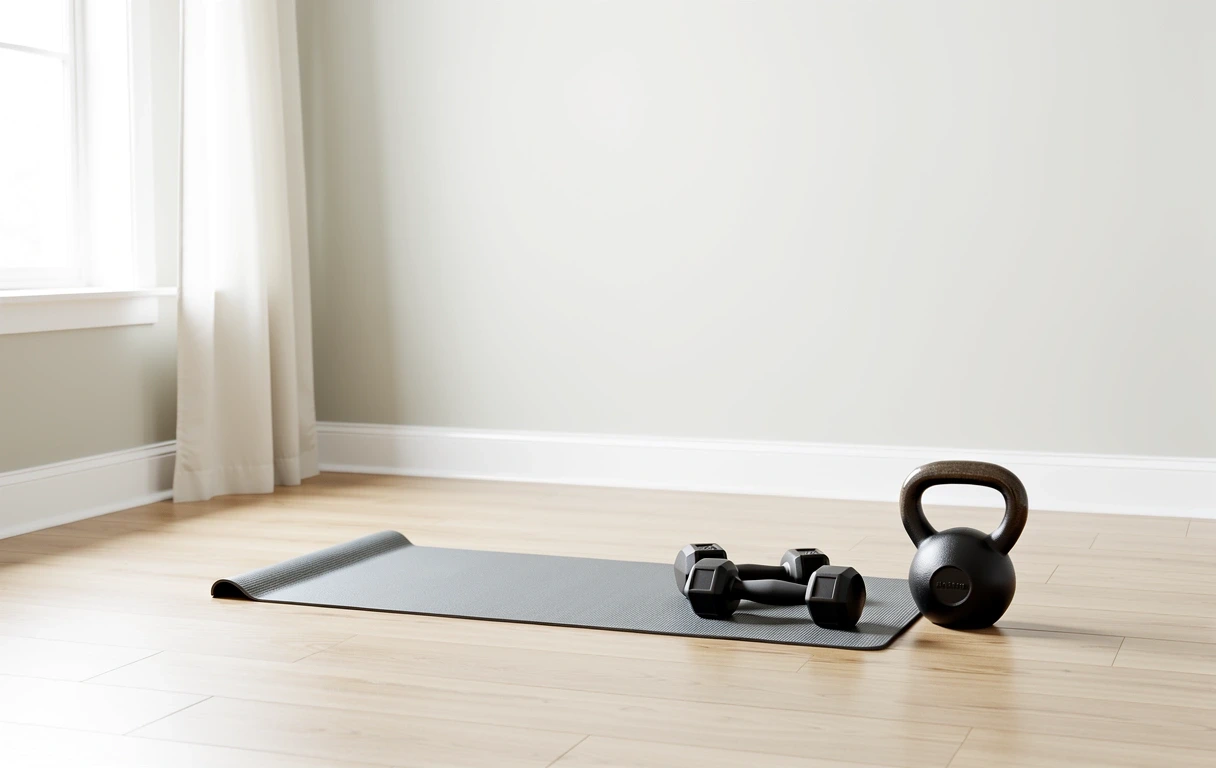
The best gym is the one you actually use. For many UK residents, home workouts provide the privacy and time-efficiency needed to maintain a routine. Minimal equipment—such as resistance bands or a pair of dumbbells—can facilitate comprehensive training sessions.
Consistency is the variable that matters most. Whether you prefer the community atmosphere of a local leisure centre or the quiet of your living room, the goal is to find an environment where movement feels like a reward, not a chore.
Weekly Activity Recommendations
The UK Chief Medical Officers suggest a balanced approach to physical activity for adults. These guidelines are designed to maintain functional health throughout life.
Did you know?
Regular movement is linked to better sleep quality and cognitive focus during the workday.
Moderate Aerobic Minutes
Aim for cumulative minutes per week of brisk walking, swimming, or social tennis where your breathing is increased but you can still hold a conversation.
Vigorous Activity Minutes
If your activity level is higher (running, HIIT, heavy manual work), you can achieve similar benefits in less time.
Strength Sessions
Perform activities that work all major muscle groups—legs, hips, back, abdomen, chest, shoulders, and arms—at least twice a week.
Sedentary Hours
Reduce time spent sitting or lying down and break up long periods of not moving with at least a one-minute stretch or walk.
The Importance of Active Recovery
What is active recovery?
Active recovery involves low-intensity movement that keeps the blood flowing through muscles without adding significant fatigue. Examples include light walking, gentle yoga, or a leisurely swim. It helps clear metabolic byproducts and reduces stiffness after more intense lifting or running sessions.
Rest days vs. Recovery days
A rest day usually implies minimal physical demand, allowing the central nervous system to reset. A recovery day involves intentional, gentle movement. Both are necessary to prevent overtraining and to keep your motivation high.
Sleep: The ultimate reset
No amount of movement can compensate for chronic sleep deprivation. Quality sleep is when your body repairs tissue and consolidates performance gains made during training. Aim for 7–9 hours of consistent, restorative sleep nightly.

Build Your Sustainable Path
Exercise is a lifelong journey of discovery. By balancing aerobic capacity, strength, and mobility, you create a foundation for vitality that lasts.
Latest Update: April 2026 • Brighton, UK